By Euloge Ishimwe
Two months ago, a seasoned communicator posted on LinkedIn about her company’s decision not to replace a departing Chief Communications Officer. Instead, the responsibilities were redistributed across the team. She saw it as part of a worrying trend—the erosion of strategic communications roles and influence. Many comms professionals today echo this frustration: their functions are undervalued, their roles are shrinking, and tenures are getting shorter.
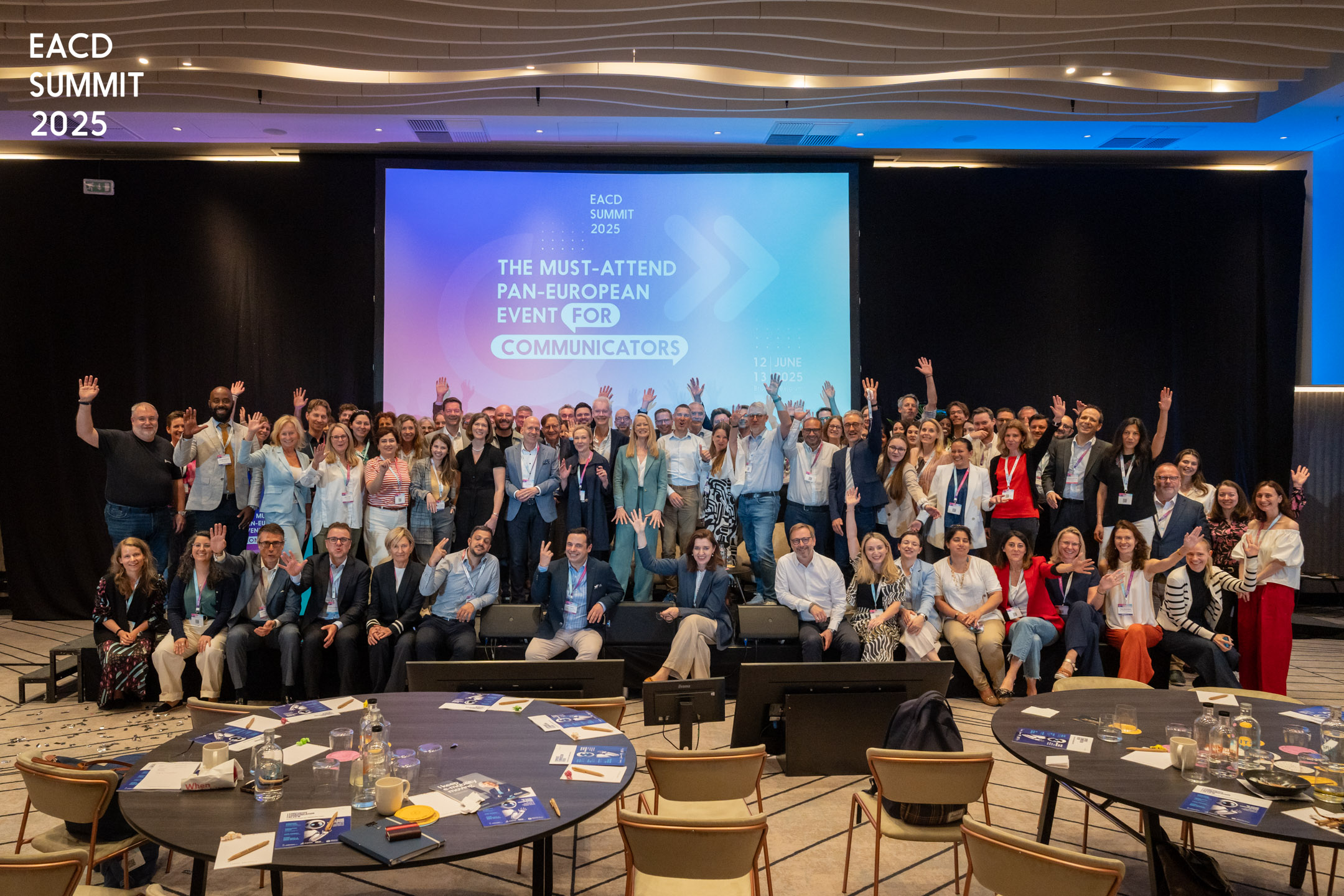
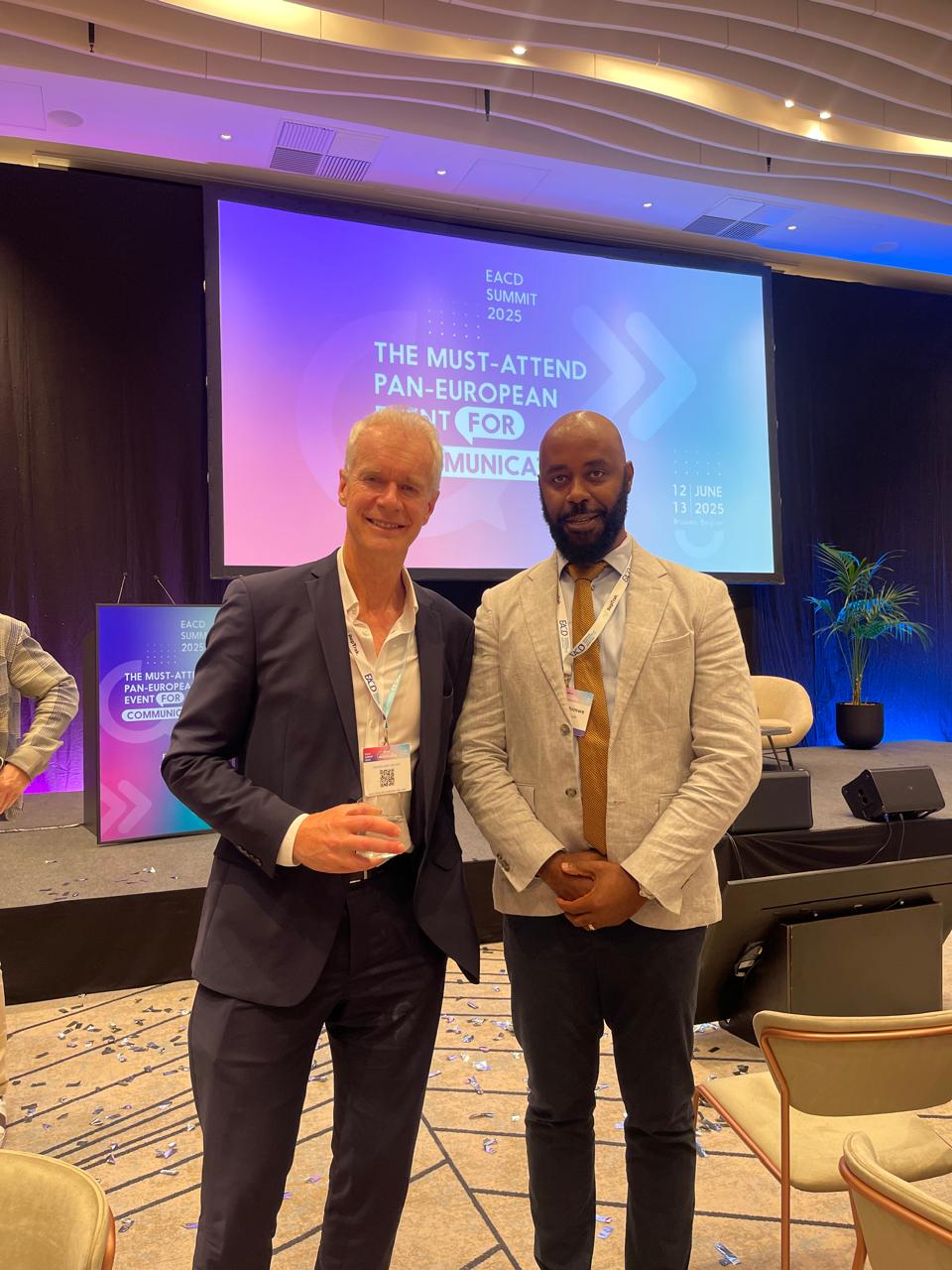
Ten years ago, things felt different. Back in 2016, at the EACD Summit in Brussels, the tone was hopeful. One speaker called it “the best time in history to be a communicator.” Fast forward to the 2025 edition—still in Brussels, still brilliantly executed—but the mood was more cautious, less optimistic. And for good reason.
Trust in institutions has plummeted. According to Edelman’s 2025 Trust Barometer, 70% of people believe leaders are dishonest or opaque. Audiences are polarized, scattered, and difficult to reach. Attention spans have collapsed to under a minute. CEOs are under pressure, and that pressure cascades down to their closest advisors—often the Communications Directors. After 23 years in the field, I can say this: it’s never been harder to impress a boss.
We are at an inflection point. Strategic communications must be rethought—urgently.
Why Strategic Comms Needs a Reboot
1. It’s harder than ever to cut through the noise.
Each technological revolution has triggered moments of overwhelm. But what we’re facing now—an always-on digital world powered by algorithms—is different. The social media era gives anyone a megaphone, magnifying radical views and collapsing nuance. The pace and volume of information have shortened the news cycle and made sustained impact nearly impossible. Campaigns vanish overnight. Stories are forgotten in hours.
2. C-suite expectations are rising—and unclear.
CEOs are juggling reputational threats, political tensions, public mistrust, and employee activism. That pressure is transferred to Communications Directors, whose roles now demand more than just messaging. The expectations are high, constantly shifting, and often not well defined. Talent isn’t the problem—ambiguity is.
3. The job has changed.
The traditional role of a Comms Director—media relations, messaging, PR—no longer exists. Today, it’s about internal comms, CSR, executive visibility, stakeholder diplomacy, reputation risk, AI tools, purpose integration, and strategic counsel. It’s cross-disciplinary, fast-moving, and core to long-term business value.
4. You’re responsible for reputation—but don’t control its levers.
Reputation is driven by trust, leadership, emotional connection, culture, and social impact—most of which sit outside the comms department. Storytelling helps, but it must be authentic. As Jasper Claus said at the Summit: “Good stories are found, not made up.” Today, spin no longer works. Authenticity and real impact are what build reputation.
5. AI is already doing your job—part of it.
AI can already write, edit, monitor media, and draft reports. While some believe human communicators can’t be replaced, it’s clear parts of our jobs already are. What AI lacks, though, is judgment, emotional intelligence, and cultural nuance—areas where human communicators must now shine.
But there’s hope. Here’s how we can still thrive.
1. Invest in internal comms.
Internal audiences are your most important stakeholders. Alignment starts from within. Purpose must be co-owned internally to shape external reputation. As several Summit speakers emphasized, internal engagement is now mission-critical. It’s how you cut through both internal and external noise—and how you position yourself as a strategic advisor to the C-suite.
2. Use storytelling to drive reputation.
Present the Reputation Quotient (RQ) framework to your leadership. It breaks down reputation into six dimensions—but emotional appeal is the strongest predictor. According to Harris Poll and CARMA, it explains over 60% of why people feel positively about a brand. And storytelling fuels emotional connection. Jasper Claus reminded us that powerful stories aren’t promotional—they are true, moving, and deeply human. Stories that create “Kama Muta”—that warm, collective emotional response—are the ones that stick.
3. Rethink metrics—and fight for fair appraisals.
If you don’t measure it, you can’t defend it. Long-term impact rarely shows up in quarterly dashboards. Consider LEGO’s #RebuildTheWorld campaign: three years of effort resulted in measurable growth—because it was tracked over time. Yet performance reviews in comms still favor short-term outputs over lasting influence. Push your HR and leadership to adopt frameworks that reflect the complexity of your role. Explore tools like AMEC, CARMA, and the UK Government Communication Service. And measure what really matters.
4. Use AI—but keep your human edge.
AI should assist, not replace. It’s useful for content generation, planning, and editing—but it can’t interpret tone, context, or relationships. Clients still value human-validated insight. One speaker put it best: “Keep training your judgment muscle.” Your critical thinking, empathy, and strategic insight are your strongest assets.
5. Clarity is your competitive edge.
In a world drowning in misinformation and AI-generated noise, what people crave is clarity. That’s your job. Strategic communicators must pre-empt reputational threats, define narratives, and guide organizations through complexity. Your role is not just to message—but to make meaning.
A Turning Point
Strategic communications is no longer just a support function. It’s a business imperative. But to remain influential, we must align with business priorities, measure real outcomes, own internal culture, and leverage AI smartly. Influence must be operationalized—rooted in authenticity, trust, and clarity.
It’s time to reset. To move beyond vanity metrics. To own our voice inside and outside the organization. To act not as content creators, but as culture carriers, connectors, and truth-tellers.
We’ve never been more needed.